
Essential Safety Tips for Rideshare Drivers: Your Ultimate Rideshare Driver Safety Guidelines
Driving for a rideshare service puts you on the front lines every day. You meet strangers, navigate busy streets, and manage tight schedules. Safety is not just a priority - it’s a necessity. I’ve learned that staying alert, prepared, and proactive can make all the difference. Here’s my guide to essential safety tips that every rideshare driver should know. These tips will help you protect yourself, your passengers, and your vehicle.
Mastering the Rideshare Driver Safety Guidelines
Safety starts before you even hit the road. I always check my vehicle thoroughly. Tires, brakes, lights, and mirrors must be in perfect shape. A well-maintained car is your first line of defense. Next, I set up my phone and navigation system before I start driving. Fiddling with devices while driving is a recipe for disaster.
When accepting rides, I verify the passenger’s name and destination. This simple step prevents mix-ups and potential risks. I also keep my doors locked until the passenger is inside. It’s a small habit that adds a layer of security.
Here are some quick, actionable safety habits I follow:
Use a dashcam: It records everything and can protect you in disputes.
Share your trip details: Let a trusted friend or family member track your rides.
Stay in well-lit areas: Pick up and drop off passengers in safe, public spots.
Trust your instincts: If something feels off, cancel the ride or drive away.
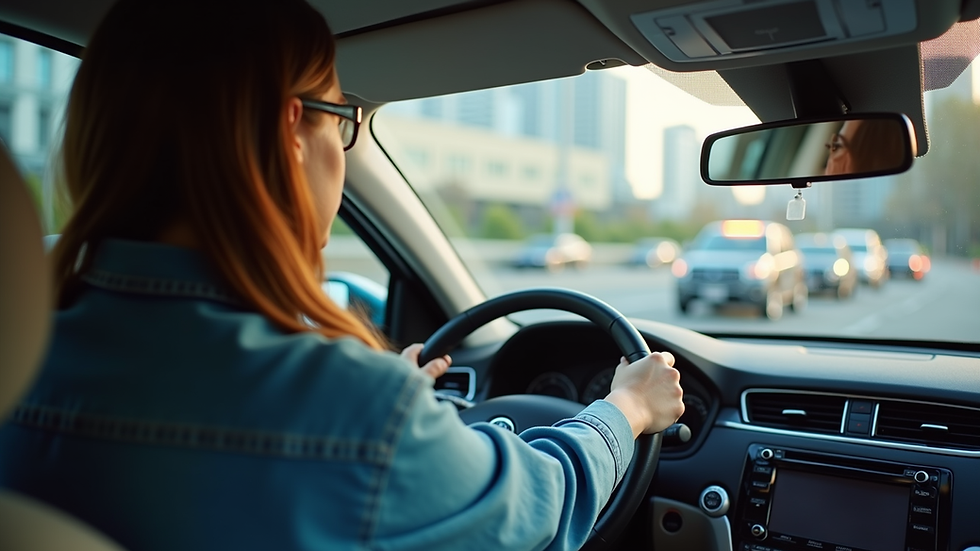
Is it safe for female Uber drivers?
Safety concerns for female drivers are real and deserve attention. I know many women who drive rideshare and take extra precautions. Being aware of your surroundings is crucial. I recommend using apps that allow you to share your location with friends or family during rides.
Female drivers often prefer to drive during daylight hours and avoid isolated areas. If you must drive late, park in well-lit, busy locations when waiting for passengers. Also, keep your phone charged and accessible at all times.
Some female drivers carry personal safety devices like pepper spray or a loud whistle. These tools can provide peace of mind. Remember, your safety is paramount. Don’t hesitate to end a ride early if you feel unsafe.
How to handle difficult passengers safely
Every driver encounters challenging passengers. The key is to stay calm and professional. I always keep my tone polite but firm. If a passenger becomes aggressive or disrespectful, I remind myself that I can end the ride at any time.
Here’s what I do when faced with difficult passengers:
Set clear boundaries: Politely but firmly communicate your rules.
Avoid confrontation: Don’t engage in arguments or escalate the situation.
Use the app’s emergency features: Most rideshare apps have a panic button or direct line to emergency services.
Report incidents immediately: Document what happened and notify the company.
Keeping a charged phone and knowing your location at all times helps if you need to call for help. Your safety comes first, always.

Protecting your vehicle and personal belongings
Your car is your office and your livelihood. Protecting it is essential. I never leave valuables visible inside the car. Passengers should not see wallets, bags, or electronics lying around. I also lock the doors when I’m parked and waiting for a ride request.
Regular cleaning and inspection help spot any damage or tampering early. If you notice anything unusual, report it immediately. Insurance coverage is another critical factor. Make sure your policy covers rideshare driving. It’s worth the investment.
Consider installing a security system or alarm. These can deter theft and vandalism. Also, keep a first aid kit and emergency supplies in your car. You never know when you might need them.
Staying alert and avoiding fatigue on the road
Driving tired is dangerous. I set strict limits on how many hours I drive in a day. Taking breaks is not optional - it’s mandatory. When I feel my focus slipping, I pull over safely and rest.
Hydration and healthy snacks keep my energy up. I avoid heavy meals before driving to prevent drowsiness. Music or podcasts help me stay engaged, but I keep the volume low enough to hear traffic sounds.
Planning your schedule to avoid rush hours or bad weather can reduce stress and improve safety. If you feel too tired or unwell, don’t drive. Your passengers and you deserve the safest ride possible.
Why rideshare driver safety matters to everyone
Safety is a shared responsibility. When drivers stay safe, passengers feel secure. When passengers behave respectfully, drivers can focus on the road. Transparency tools like DRYVR™ help expose fare discrepancies and advocate for fair wages. This shift empowers drivers and improves the entire rideshare ecosystem.
By following these safety tips, you contribute to a safer, more trustworthy rideshare community. Remember, your safety is your power. Protect it fiercely.
Stay sharp. Stay safe. Drive smart. Your safety is the foundation of every successful ride. For more detailed insights and tools, check out this rideshare driver safety resource.


Comments